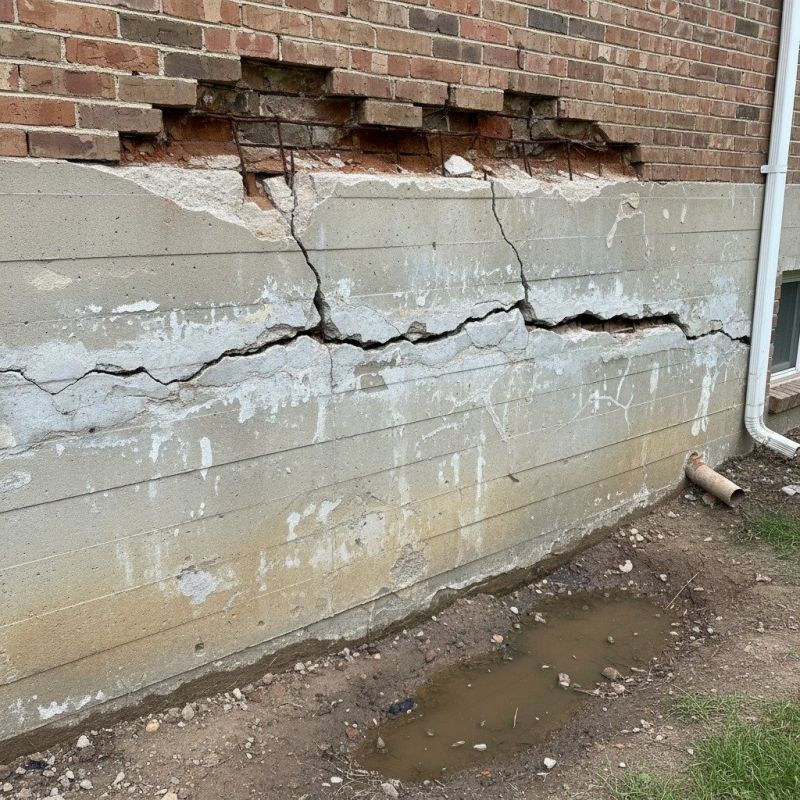
Foundation Crack Inspection Services for Property Owners
Visitors can learn how local contractors inspect foundation cracks and compare service options to find the right professional for their needs.
- - Residential homeowners seeking to assess and address foundation crack issues in their homes.
- - Commercial property owners needing inspection services to evaluate foundation stability and prevent structural problems.
- - Real estate professionals and buyers looking for reliable evaluations of foundation conditions during property transactions.

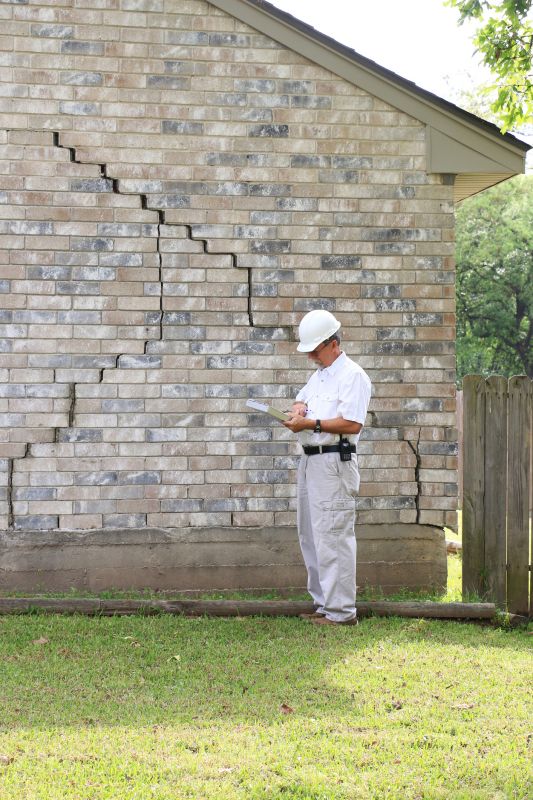
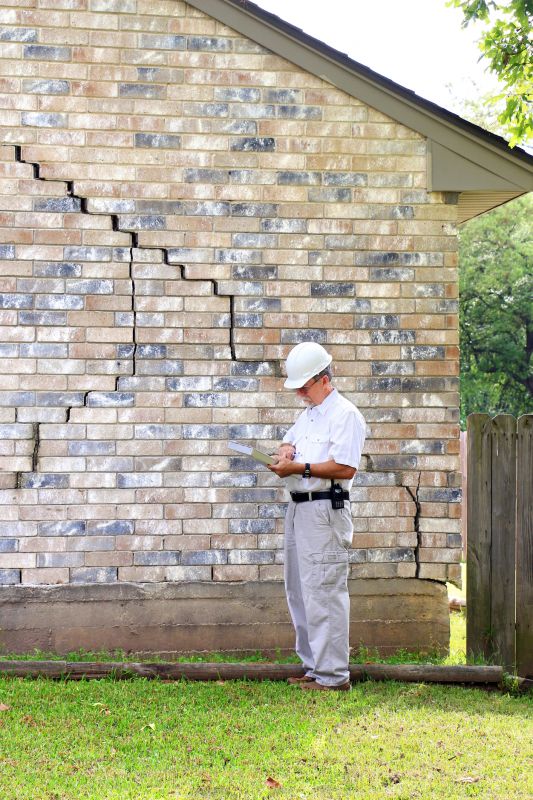
Foundation crack inspection services are essential for property owners who notice signs of structural issues, such as visible cracks in walls, uneven floors, or doors and windows that no longer close properly. These inspections involve trained local contractors evaluating the extent and cause of foundation cracks to determine whether repairs are necessary. By connecting with experienced professionals in the area, homeowners can gain a clear understanding of their foundation’s condition and explore appropriate solutions to help maintain the stability and safety of their property.
Local service providers specializing in foundation crack inspections offer a range of assessment methods tailored to different types of foundations and situations. They typically perform visual evaluations, identify common crack patterns, and may recommend further testing if needed. Property owners seeking these services can expect to work with knowledgeable contractors who understand the unique challenges of local building conditions, ensuring that inspections are thorough and informative. Connecting with trusted professionals from the area helps homeowners make informed decisions about foundation maintenance and repair options.
This guide provides clear information to help homeowners understand foundation crack inspection needs and consider their options. It assists in comparing local contractors who specialize in foundation assessments and repairs. The goal is to prepare visitors with the basics needed to connect with qualified service providers in their area.