Get Foundation Stabilizing
Foundation stabilizing services help property owners address issues like cracks, uneven floors, and shifting foundations through expert repair and reinforcement projects.
Property owners exploring foundation stabilizing services often seek reliable solutions to address shifting or settling issues that can affect the safety and integrity of their homes. Whether planning a renovation, preparing for sale, or simply wanting peace of mind, understanding available options and comparing local contractors can help make informed decisions. This service area features experienced local providers who specialize in foundation stabilization, offering practical solutions tailored to the unique needs of properties in the community.
By exploring foundation stabilizing services through local service providers, property owners can find qualified contractors equipped to assess and resolve foundation concerns effectively. Comparing different options allows for a clearer understanding of the approaches available and helps identify the best fit for specific property conditions. Continuing to read can provide valuable insights into how local experts can support long-term stability and safety for homes and buildings in the area.
- Foundation Stabilizing - needed when a home's foundation shows signs of shifting or cracking.
- Foundation Underpinning - required if the foundation has settled unevenly, causing structural concerns.
- Pier and Beam Stabilization - necessary when a house experiences uneven floors or noticeable movement.
- Slab Jacking - used to lift and level a sunken concrete slab that affects property stability.
- Foundation Reinforcement - needed when additional support is required to prevent further settling or shifting.
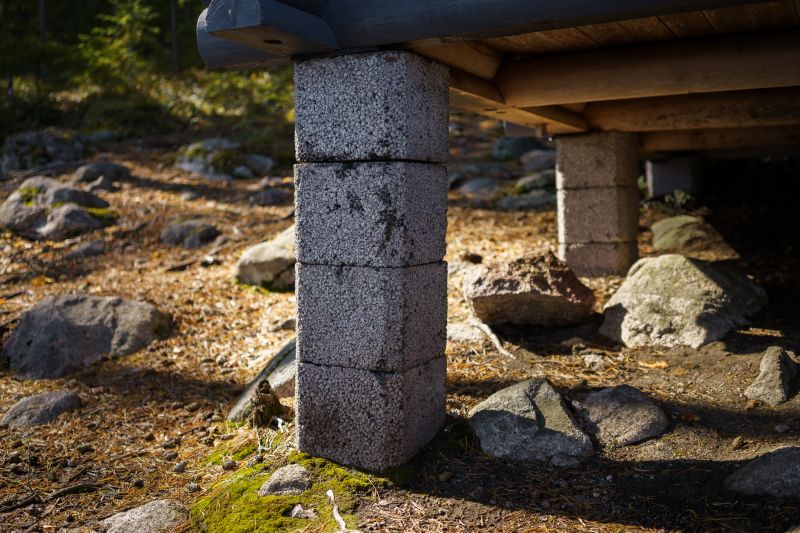
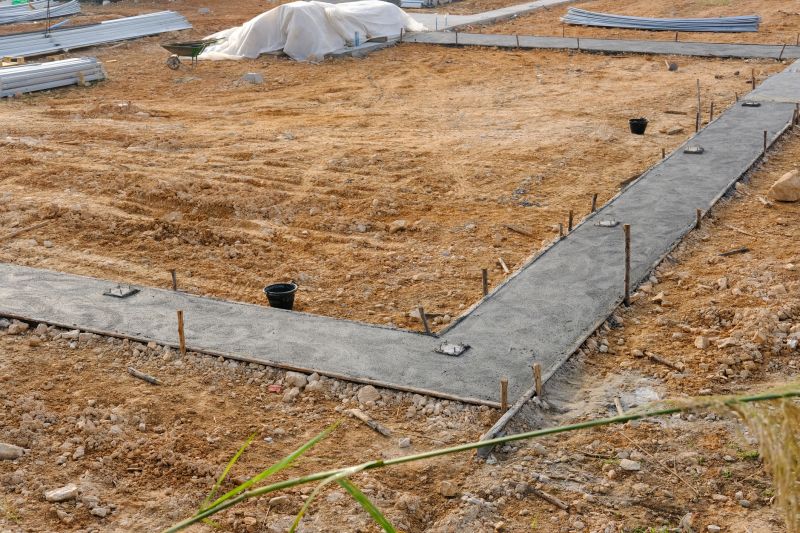
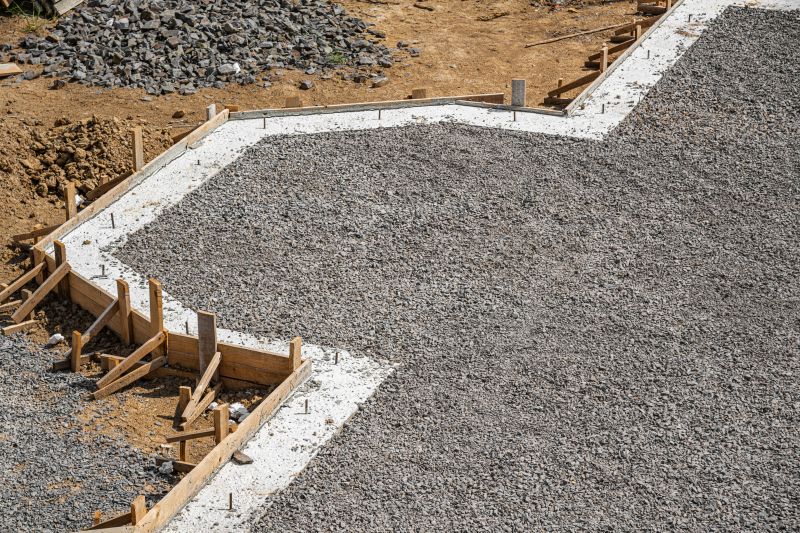
Foundation stabilizing services involve specialized techniques to reinforce and support the structural base of a property. This process typically includes installing supports, underpinning, or other methods to address issues caused by shifting soil, settling, or deterioration of the foundation materials. The goal is to create a more stable and level foundation, preventing further movement and potential damage to the building’s structure. These services are essential for maintaining the safety and integrity of a home, especially when signs of foundation movement become apparent.
This service helps solve common problems such as uneven floors, cracked walls, sticking doors or windows, and visible foundation cracks. These issues often indicate that the foundation has shifted or settled unevenly over time. Without proper stabilization, these problems can worsen, leading to more extensive and costly repairs. Foundation stabilizing services are designed to address these concerns early, restoring stability and preventing future structural damage, ultimately helping homeowners protect their investment.
Properties that typically benefit from foundation stabilizing services include older homes with signs of settling, new constructions experiencing uneven settling, and properties built on challenging soil conditions like clay or expansive soils. Commercial buildings and multi-family residences with foundation concerns may also require stabilization. These services are suitable for any property where the foundation shows signs of movement or distress, ensuring the structure remains safe and secure for years to come.
When foundation issues become noticeable, such as cracks in walls, uneven flooring, or doors that no longer close properly, it’s time to consider foundation stabilizing services. Local contractors who specialize in foundation repair can assess the extent of the problem and recommend the appropriate stabilization methods. Contacting a professional early can help prevent minor issues from escalating into major repairs, safeguarding the property's value and safety.
The overview below groups typical Foundation Stabilizing projects into broad ranges so you can see how smaller, mid-sized, and larger jobs often compare in your area.
In many markets, a large share of routine jobs stays in the lower and middle ranges, while only a smaller percentage of projects moves into the highest bands when the work is more complex or site conditions are harder than average.
Smaller Repairs - minor foundation stabilizing work typically costs between $250 and $600 for many routine jobs. These projects often involve targeted fixes such as small underpinning or crack repairs. Many local contractors handle these within this middle range, though costs can vary based on specific conditions.
Moderate Projects - more extensive stabilization efforts, including multiple crack repairs or partial underpinning, generally fall in the $1,000 to $3,000 range. These are common for homes experiencing moderate settling, with costs increasing for larger or more complex properties.
Large-Scale Stabilization - significant foundation work, such as extensive underpinning or soil stabilization, can range from $4,000 to $10,000 or more. Larger, more involved projects tend to push into this higher tier, though fewer jobs reach these levels regularly.
Full Foundation Replacement - complete foundation replacement or major structural overhauls are typically priced above $20,000, with many projects reaching $30,000+ depending on size and scope. These are less common and usually involve complex, comprehensive work handled by specialized service providers.
Actual totals will depend on details like access to the work area, the scope of the project, and the materials selected, so use these as general starting points rather than exact figures.
Soil Stabilization Projects - local contractors use similar techniques and equipment to improve soil strength and prevent shifting, which is essential for foundation stability.
Retaining Wall Installation - installing retaining walls requires knowledge of soil behavior and proper planning to support and reinforce unstable ground around foundations.
Drainage System Installation - effective drainage solutions help manage water around foundations, a key factor in preventing settlement and structural issues.
Concrete Lifting and Leveling - this process involves raising sunken slabs and can be related to foundation leveling efforts that address uneven settling.
Pier and Beam Foundation Repair - repairing or reinforcing pier and beam systems involves similar assessment and stabilization techniques used in foundation stabilization.
Soil Testing and Site Assessment - evaluating soil conditions is a crucial step in planning foundation stabilization projects, requiring similar skills and tools used in other geotechnical services.
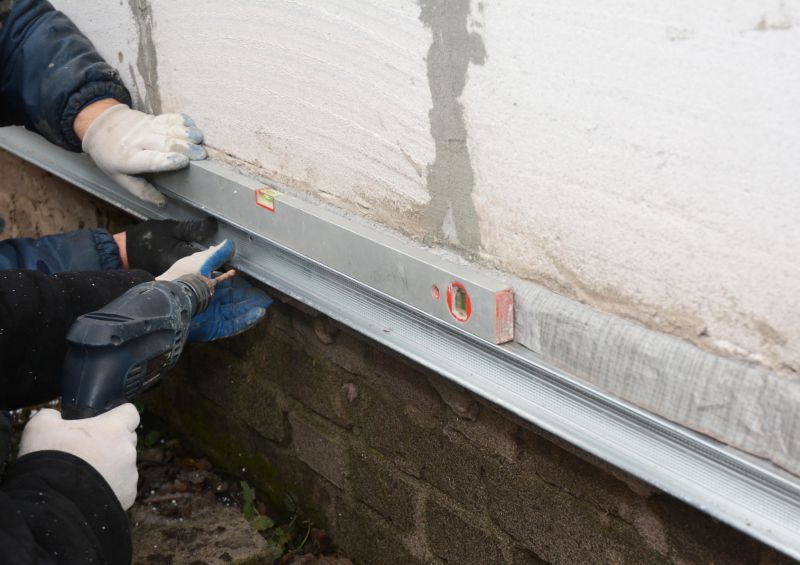
When comparing service providers for foundation stabilizing, it is important to consider their experience with similar projects. Homeowners should look for local contractors who have a proven track record of handling foundation issues comparable to their own. An experienced professional will understand the unique challenges that can arise with foundation work and be better equipped to recommend effective solutions. Asking about past projects or seeking references can provide insight into a contractor’s familiarity with foundation stabilization and their ability to deliver reliable results.
Clear, written expectations are essential when choosing a foundation stabilizing service provider. Homeowners should request detailed descriptions of the scope of work, materials to be used, and the steps involved in the project. Having this information in writing helps ensure everyone is on the same page and reduces the likelihood of misunderstandings or surprises during the process. A reputable local contractor will be transparent about their approach and willing to provide documentation that outlines the work plan, so homeowners can make informed decisions.
Good communication and reputable references are key indicators of a trustworthy service provider. Homeowners should seek out local contractors who are responsive and willing to answer questions thoroughly. Additionally, asking for references from previous clients can help verify a contractor’s reputation and quality of work. Clear communication and positive references can give homeowners confidence that the contractor will be attentive to their needs and committed to completing the project to a high standard. It’s important to remember that this site introduces homeowners to local options, not that it performs the work itself, so taking the time to evaluate these factors can lead to a more successful and satisfactory experience with the chosen service provider.
Property owners use Foundation Stabilizing services for practical projects around their homes and businesses. This guide focuses on everyday jobs and straightforward project options.
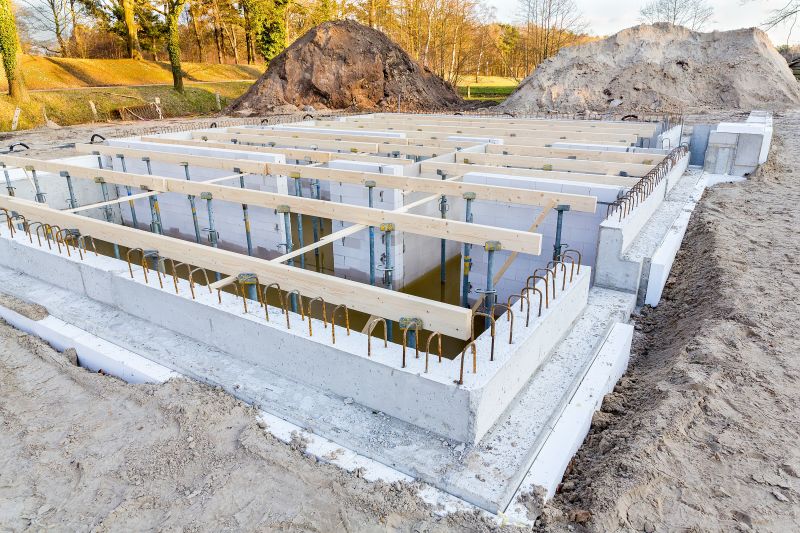
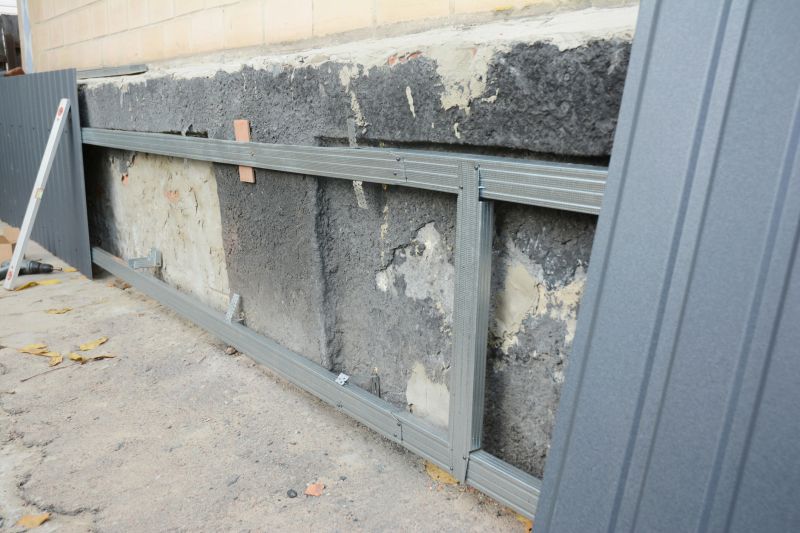
Foundation stabilizing services are often needed when property owners notice uneven floors, cracks in walls, or doors that no longer close properly. These issues can arise from shifting soil, moisture changes, or settling over time, which can compromise the stability of a property’s foundation. Local contractors specializing in foundation stabilization can assess the situation and provide solutions to help restore the structural integrity of the home or building, ensuring safety and peace of mind for property owners.
Many property owners seek foundation stabilization when preparing to sell, repair damage from recent weather events, or prevent further issues from developing. Common reasons include visible cracks, sinking or uneven areas, or signs of settling that could lead to more serious problems if left unaddressed. Service providers in the area can offer expertise in stabilizing foundations using various techniques tailored to the specific needs of each property, helping to maintain its value and stability over time.
What are foundation stabilizing services? Foundation stabilizing services involve techniques used by contractors to reinforce and support a building's foundation, helping to prevent or repair settling and shifting issues.
How do contractors stabilize a foundation? Local service providers may use methods such as underpinning, piering, or installing helical piers to improve foundation stability and address existing problems.
What signs indicate a need for foundation stabilization? Common signs include visible cracks in walls or floors, uneven flooring, doors or windows that stick, and gaps around door frames or moldings.
Are foundation stabilization methods permanent? Many stabilization techniques are designed to provide long-lasting support, but the durability depends on the specific method used and the underlying soil conditions.
How can I find local contractors for foundation stabilization? This website can help connect with trusted local service providers who specialize in foundation stabilization services in your area.
Foundation Repair Solutions - A property owner can explore foundation repair services to address uneven floors or cracked walls caused by settling or shifting.
Soil Stabilization Techniques - Homeowners experiencing yard or landscape issues due to shifting soil can consider soil stabilization to improve ground stability.
Piering and Underpinning - Those noticing foundation movement in basements or crawl spaces can look into piering options to reinforce and stabilize the structure.
Drainage and Water Management - Property owners concerned about water pooling near the foundation can seek drainage solutions to prevent future settling problems.
If you are thinking about Foundation Stabilizing for a property, this guide is meant to help you understand the work, the typical project types, and how different options might fit your plans.
When you are ready, you can use the quote form on this page to share a few details about your project. From there, local pros can review the basics and respond with options that match what you have in mind.